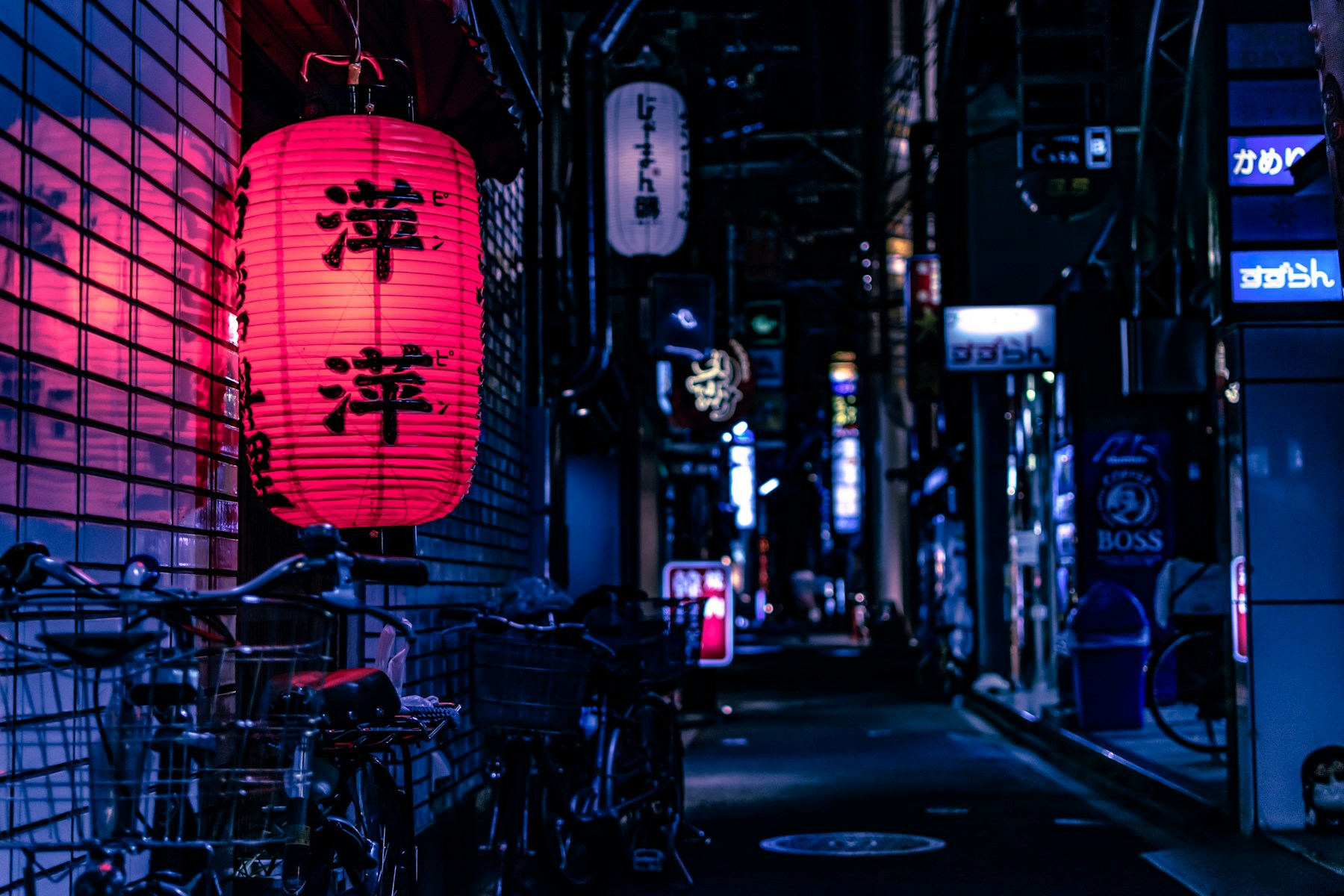
There is a particular kind of silence that exists only in Kyoto. Not the absence of sound exactly — the city hums, the cicadas insist, a wooden gate creaks somewhere in the dark — but a silence beneath all that, a stillness that seems to hold the whole city the way a lacquered bowl holds tea. I found it on my first night at Tawaraya, at around two in the morning, lying on a futon so precisely made it felt almost criminal to have slept in it.
Tawaraya is not the kind of place you stumble upon. Founded in the early eighteenth century and occupying the same footprint of land in Nakagyo Ward ever since, it receives guests by introduction only — a system that feels less exclusive than it sounds, and more like the natural consequence of having only eighteen rooms and a philosophy that treats hospitality as a form of art. The waiting list runs long. The experience, those who have had it will tell you, makes the wait feel brief.
The Architecture of Rest
I arrived at dusk, which I later understood was the correct hour. The entrance — a low wooden gate set into a plaster wall, almost invisible from the street — opens onto a stone path lit by paper lanterns. The garden beyond is small and immaculate, designed in the Edo-period manner that uses negative space the way a haiku uses silence: deliberately, with great care for what is left out.
My room, the Kinkaku, occupied a corner of the main building and looked onto a private garden not larger than a generous dining table. Yet it felt enormous. This is the paradox that every serious ryokan solves differently: the rooms are small in dimension and vast in atmosphere. Shoji screens diffuse the last light of evening into something approximating gold. The tokonoma alcove held a single scroll — a brushwork rendering of autumn reeds — and a ceramic vase containing two stems of something I couldn't name but which smelled like rain.
The attendant — my okamisan, who introduced herself as Keiko-san — brought green tea and a small tray of sweets shaped like autumn leaves. She asked about my journey, not as a formality but with what felt like genuine curiosity, and then, having learned I had come from Paris, told me that one of her favourite writers was Marguerite Yourcenar. We talked for perhaps twenty minutes before she excused herself, and I sat in the near-dark with the garden and the tea and felt something I can only describe as the particular luxury of being in no hurry at all.
The rooms are small in dimension and vast in atmosphere. This is the paradox every serious ryokan solves differently.
The Ritual of the Bath
The onsen at Tawaraya draws water from a spring beneath the property, a fact the inn mentions with the kind of quiet pride that needs no amplification. My private bath — each room has one, cypress-lined, filled on request at whatever temperature you specify — was ready at seven, as arranged. The wood was warm to the touch. The water was the colour of pale jade.
There is a practice in Japanese bathing culture called yu no hana, or hot spring flowers — the mineral deposits that form on the edges of the tub over time, white and delicate as frost. The older the spring, the more elaborate the flowers. Tawaraya's tub edges were etched with them. I bathed for forty minutes and emerged feeling, in some way I couldn't fully account for, younger than I had arrived.
Kaiseki: Dinner as Ceremony
Dinner arrived in courses — thirteen of them, I counted later, though in the moment they felt more like a single continuous experience than a sequence of distinct dishes. Kaiseki, the haute cuisine of Japan, is structured around the seasons with a literalness that borders on the devout. In late autumn, everything on the tray referred in some way to the fact of autumn: the colours, the garnishes, the particular way the dashi had been drawn from kombu and bonito.
The third course was a small composition of persimmon, aged tofu, and something I eventually identified as ginkgo leaf tempura. It tasted like October made edible. The eighth — a piece of charcoal-grilled nodoguro, or blackthroat sea perch, served with a sauce of yuzu and sake — was the best piece of fish I have eaten in my life. I wrote this in my notebook at the time. I stand by it now.
Keiko-san appeared and disappeared with the timing of a choreographer. At no point did I feel observed. At no point did I feel unattended. This is the great skill of exceptional service: to be present without being visible, attentive without being solicitous. It takes decades to develop. Tawaraya has had centuries.
The best piece of fish I have eaten in my life. I wrote this in my notebook at the time. I stand by it now.
The Morning, and Leaving
I woke before dawn. The shoji screens were already glowing faintly with the first grey light. Breakfast arrived at seven: grilled mackerel, miso soup with nameko mushrooms, a bowl of rice so perfectly cooked each grain was distinct, pickles, a raw egg to be mixed into the rice with soy, and a small glass of cold barley tea that tasted the way mornings in Japan feel.
Checkout at a ryokan of this calibre is a prolonged and gentle process. There is no sense of being moved along. Keiko-san appeared with a small wrapped package — I later found it contained a piece of pottery from a local kiln, the kind of gesture that costs more in thought than in material value — and accompanied me to the gate. She bowed. I bowed. The gate closed.
I stood on the street outside and watched a bicycle pass, and then a woman walking a dog, and the ordinary world reassembled itself around me. But something had shifted in the interval. I had slept the way people used to sleep, I thought: as a practice, as a preparation, as a form of attention. I walked to my next appointment with the sensation of having set down something heavy that I hadn't known I was carrying.
Tawaraya Ryokan, Kyoto
Nakagyo Ward, Kyoto 604-0993, Japan. Reservations by introduction; contact your hotel concierge or a specialist travel agent. First-time guests are advised to arrange a minimum two-night stay.